

Another random thought piece in cinema this week. Hope everyone is well and has a wonderful weekend!
Please enjoy
Bry
Cinema relies on the realness of the performances from the actors in front of the camera, no matter whether the film is meant to be science fiction, horror, or fantastical in nature. Even if it’s meant to feel like a very real portrayal of a reality akin to ours - if we sense that the performance is even a percent disingenuous, it kicks us out of the trance.
It’s strange to realise, then - and we all know this on some level even if we’re not consciously paying attention - that the cinematic language which gets us to a “real” feeling is, in fact, completely unreal when compared to our experience of reality. Take, for example, a scene we’ve all seen countless times: a character is sent a letter by another. When character A reads the letter from character B, the voice-over is in character B’s voice - not character A’s. In reality, when we read, we read in our own voice (or at least the sub-acoustic render of our internal monologue). This choice doesn’t break the reality for us; it strengthens the emotional connection to the characters’ relationship.
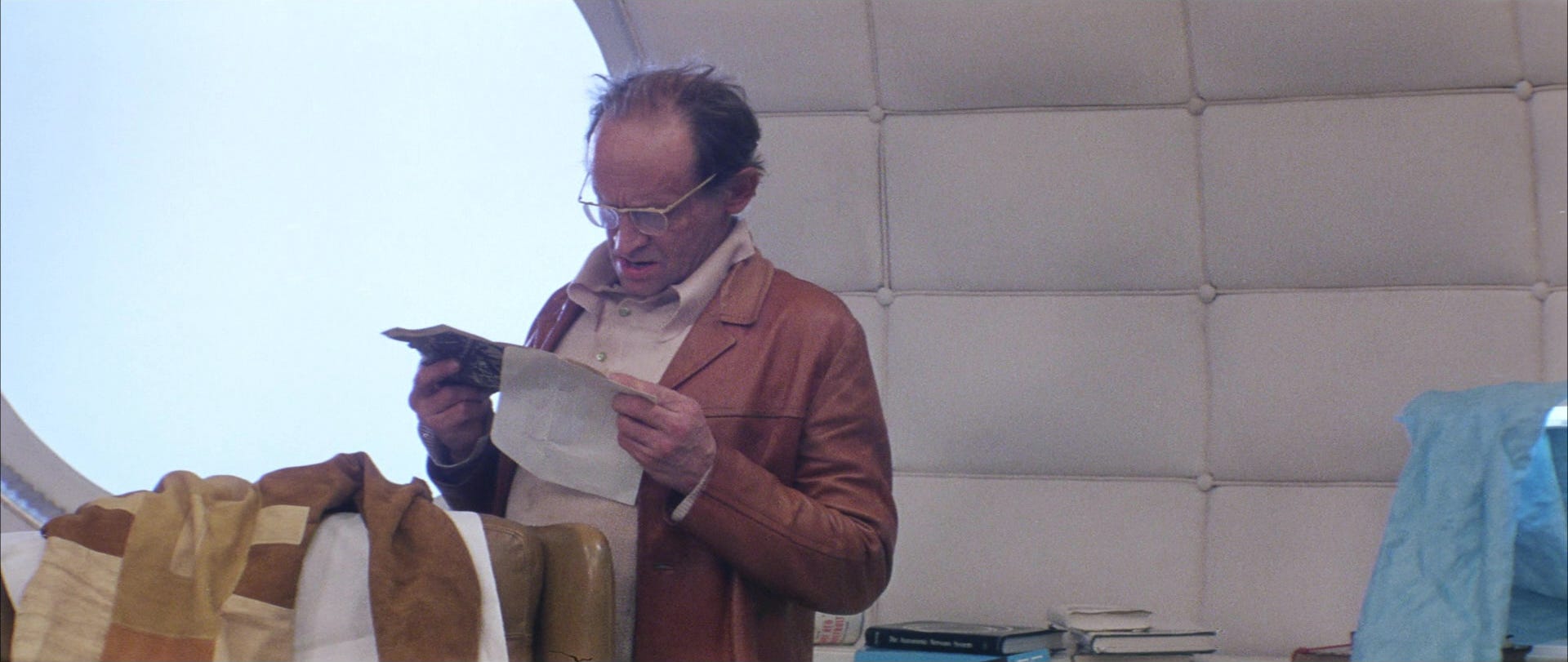
Another simple example is the wide shot. We are physically at a distance from the characters, yet we hear the dialogue as if they were right next to us. Again, it’s not real, but we forgive it — we don’t even notice it — because it’s part of the cinematic language we’re all fluent in, even if we don’t know it. The reverse is rarely used: a close-up where the dialogue sounds far away.
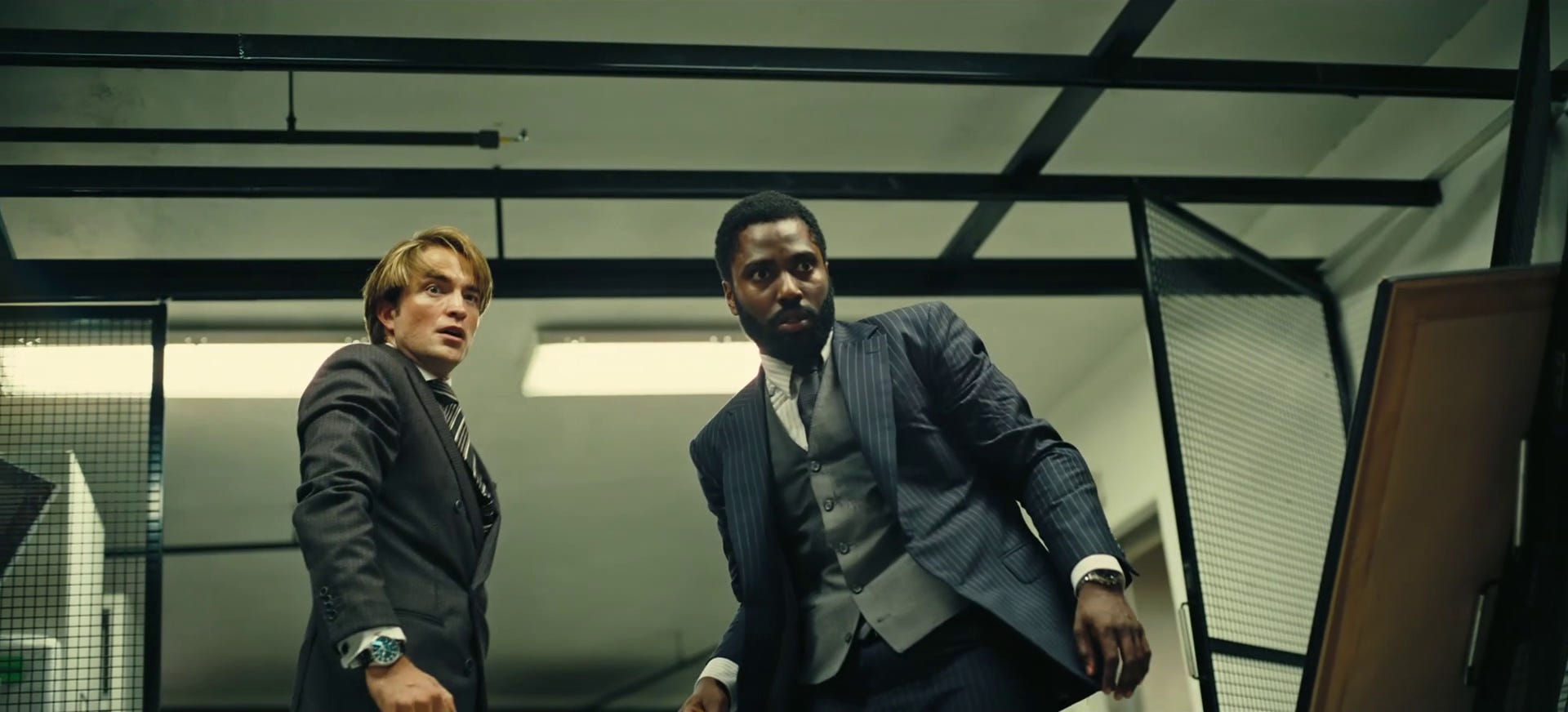
This grammatical element seems to appear most often in heist films. A single monologue or dialogue is split across multiple locations but delivered by the same character. One sentence might be spoken on a street, another on a plane, another in a car, and then back inside a building. It propels us through the film, making usually exposition-heavy dialogue more compelling because there’s more dynamism in the edit.
Of course, plenty of films break the grammar laid out here. But it never ceases to amaze me how much we forgive the portrayal of reality when we’re in the rapture of cinema - engulfed in a language we somehow know without ever being explicitly taught it.