Since dipping my toe into the world of the moustache recently myself, I thought it would be fun to trace the upper lip hair’s journey across cinema, what it meant, how characters wore it, what it said. I’ve done it in a very top level way, but it’s fun to see how much meaning / how much can be told via some facial hair and how it reflected the changing fashions across culture and time.
Please enjoy
Bry
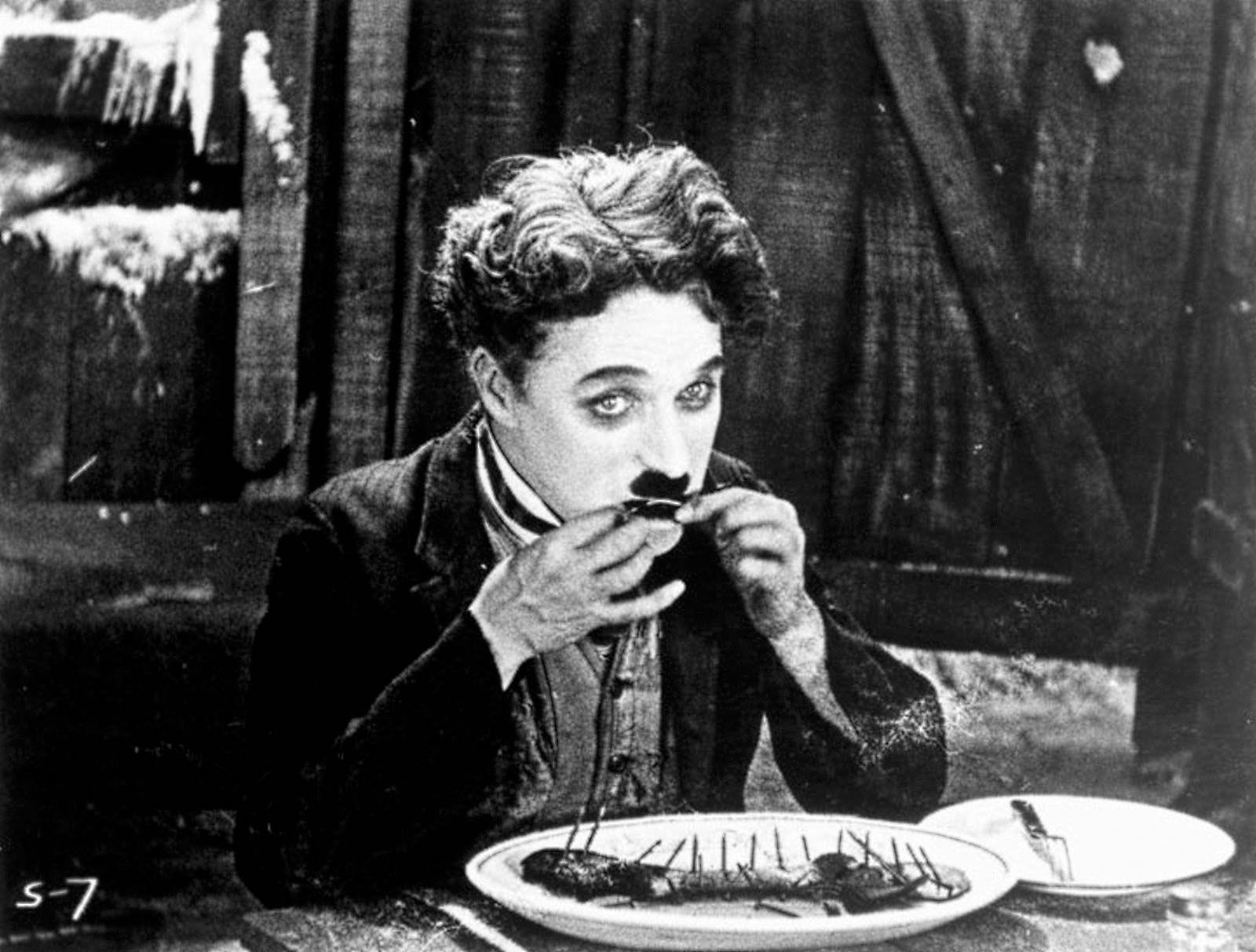
The silent film villain twirling his moustache is somehow in our collective imagination but it’s kind of a myth. That image originated from stage melodrama, not any one specific film. What’s cool about silent cinema specifically is it has to do some much leg work quickly, so any visual shorthands, especially where faces are concerned, were used. And the humble moustache became incredibly useful for that, e.g. the idea of the villainous moustachioed mastermind.
Chaplin understood this better than most. He took the toothbrush moustache [the name of which I only discovered doing research for this], then just a neat unremarkable style, and used it to signify so much about his most famous character. His Tramp is pathetic and dignified, silly and subversive all at once. The moustache being central to that.
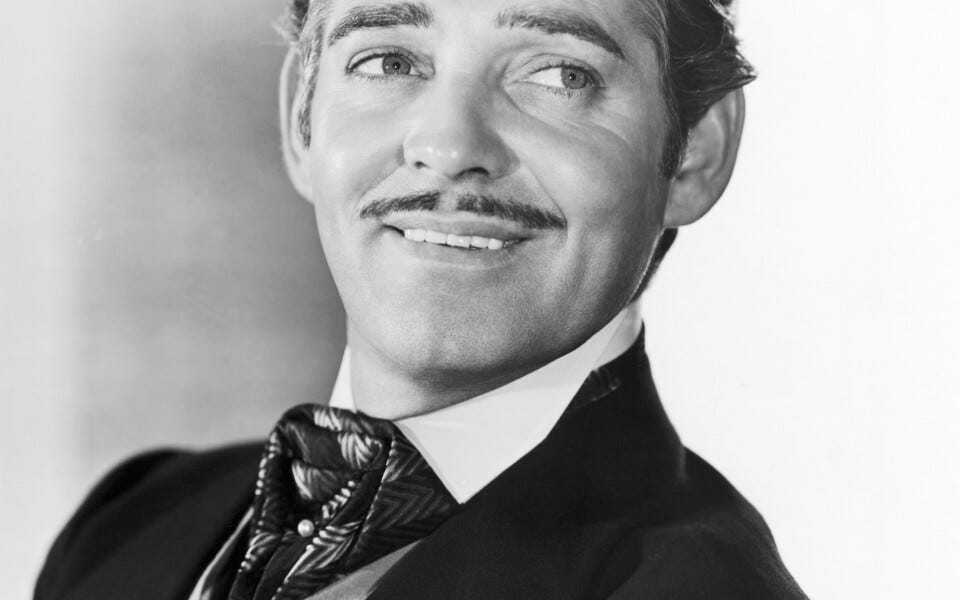
Then in the 1930s the moustache shifts gears, think Clark Gable [pictured at the top of the article] Errol Flynn, Douglas Fairbanks. The moustache stops being shorthand for certain types and becomes part of the star’s identity. This is more about putting a stamp on the star’s personality rather than signifying any kind of character type, specifically.
Then Hitler happened, and the toothbrush moustache was basically finished - I’d know ‘the toothbrush’ as ‘the Hitler.’ Chaplin knew what he was doing with his film The Great Dictator. By 1940 the two most famous faces wearing that style were a beloved comic and a mass murderer, and the film exploits those contrasts beautifully.
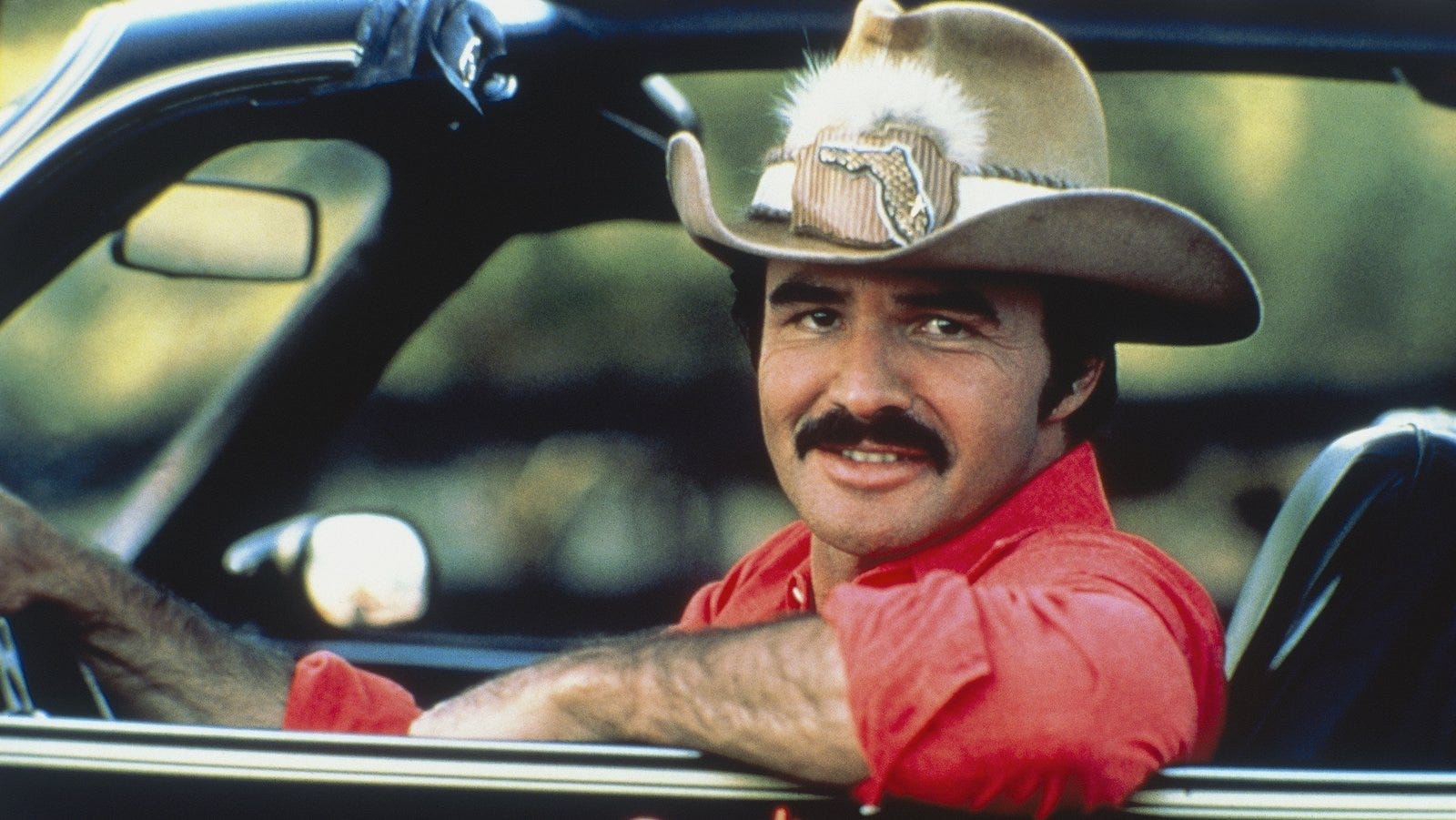
The postwar years were more clean cut, which meant that when a moustache did appear it started to carry a lot more significance. It became iconic of hardship, difference or just of time having passed. But then things shifted once again and in the 70s it became deeply embedded in the culture. Think Burt Reynolds or Tom Selleck. The hair became less purely decorative and more embodied masculinity, more rogue agent.
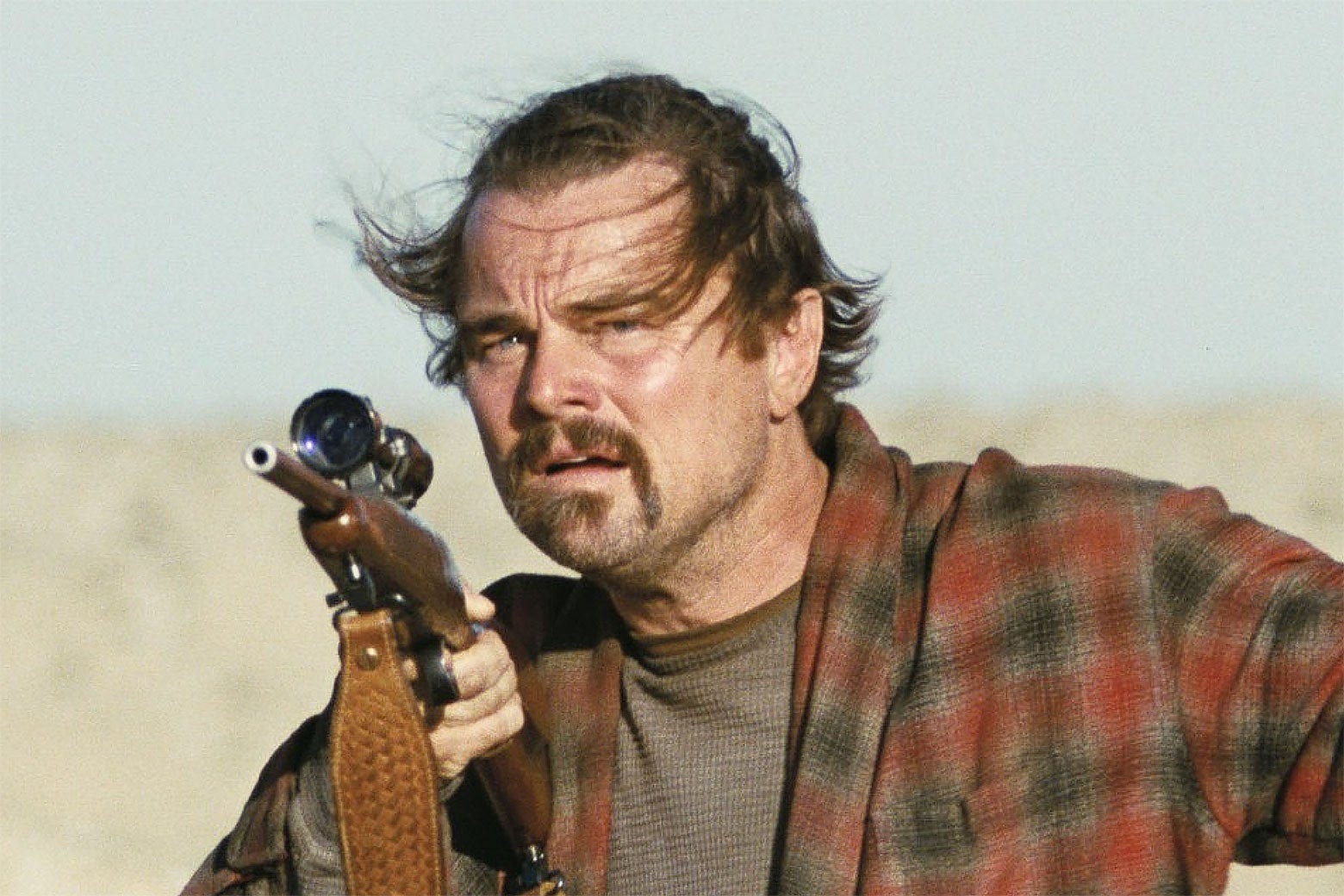
This continued right up to the modern day, with the moustache falling in and out of favour. But is still carries a lot of visual significance - e.g. DiCaprio’s character in One Battle After Another, sporting a grown out handlebar. This could be short hand for his ‘washed-up-ness’ letting himself go, not staying ‘trim.’ It also harks back to his revolutionary roots, a modern counterculturist. The moustache says a surprising amount in lot in cinematic terms.