

I’ve always been really interested in the first of something. Not necessarily just achievements, as in the first person to walk on the moon, [even though that’s very cool. But more like who was the first person to dip their finger in mud or blood, or a mixture of both and paint an animal on a cave wall. This week it’s a little piece about the beginnings of forms or formats we now take for granted in film.
Please enjoy
Bry
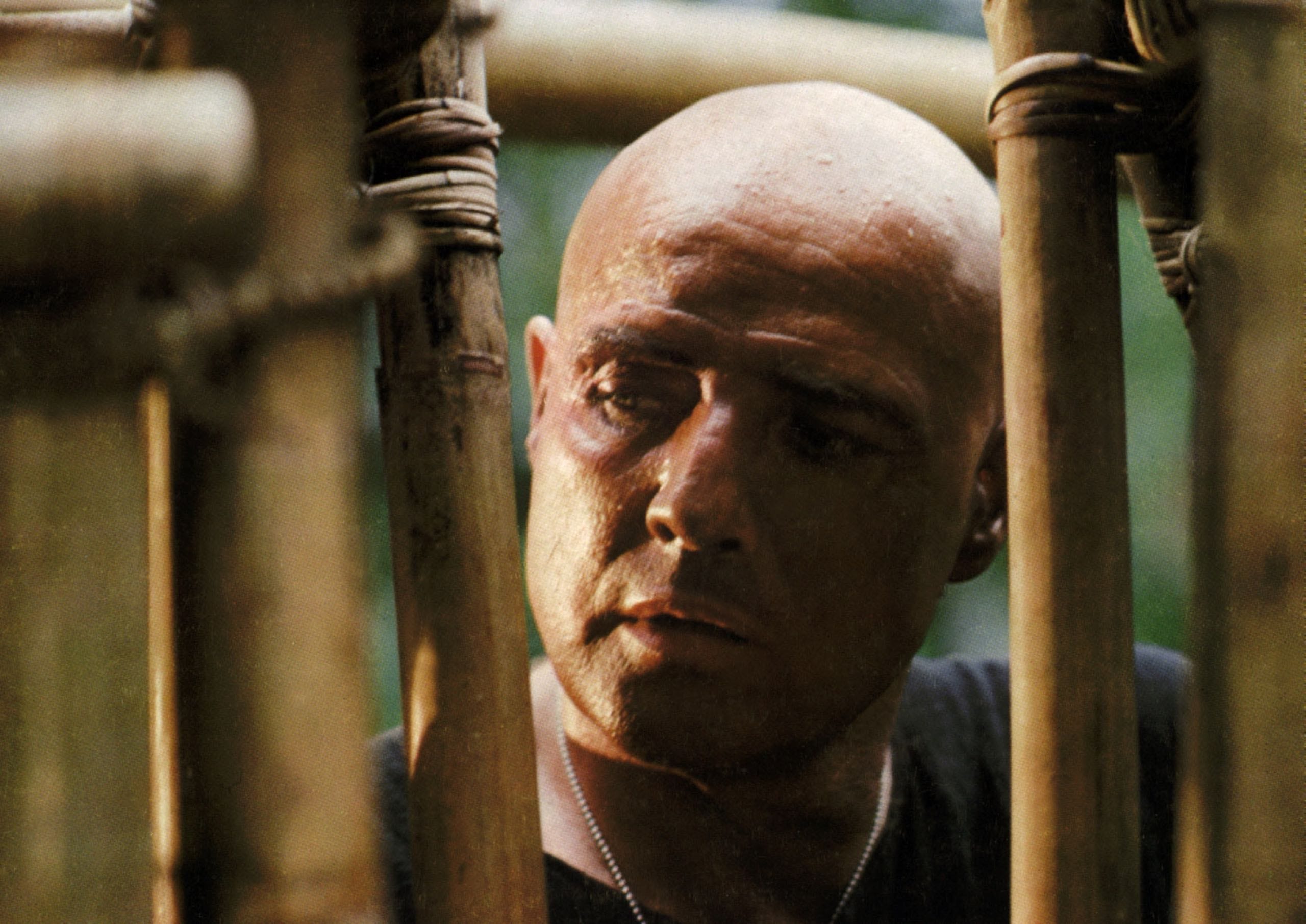
The first is the use of the term sound designer, the title is common now in cinema for the person in charge of the sound of the film. And even though it was a term used in theatre in the 1950s and 1960s, it wasn’t until Walter Murch worked on Apocalypse Now that it was used in film. The story goes that Murch was asked by Coppola what he wanted as his title, as he had a more overarching role in the way sound was used in the film. And partly the context was to avoid strict union rules on the phrasing of titles when it comes to credits. So he came up with the title sound designer and the rest is film history.
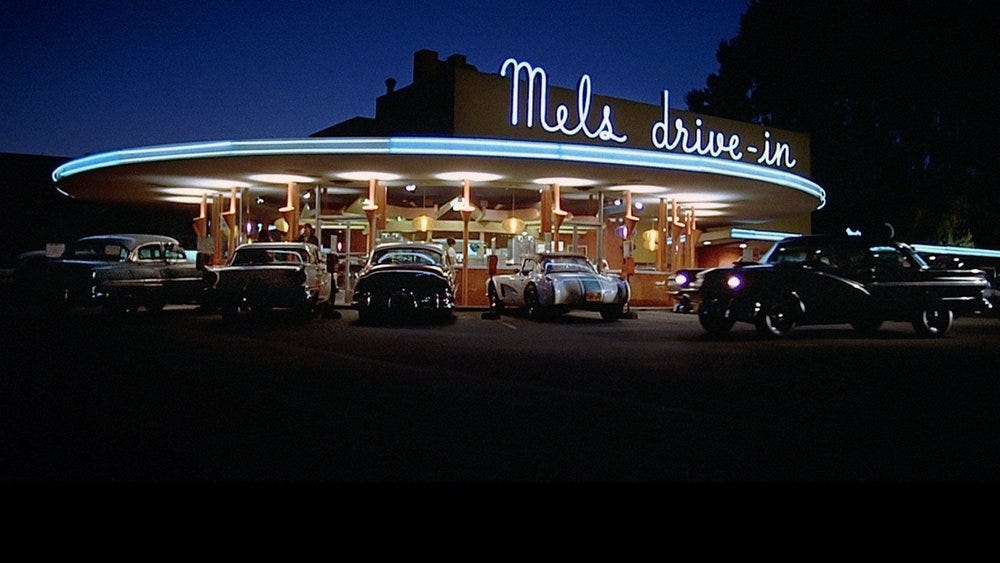
Coppola’s younger friend, George Lucas, also had a similar first. In the sense that his use of the format inspired many other filmmakers to do the same. What is now a widely accepted phrase in cinema language wasn’t always the case. In his film American Graffiti, the film ends with a title epilogue that explains what happened to the characters after the events of the film. Giving us an update on their whereabouts after the film reel ends. Yes, the use of titles and intertitles have been there since the inception of cinema, but using them in this way was popularised by Lucas’s use in American Graffiti.
I find this kind of thing fascinating. Understanding how and why things are the way they are, makes us realise that we can make up new rules and forms of our own. The world is malleable.